
How to Choose a Headache Rack
Posted on: February 4th, 2026
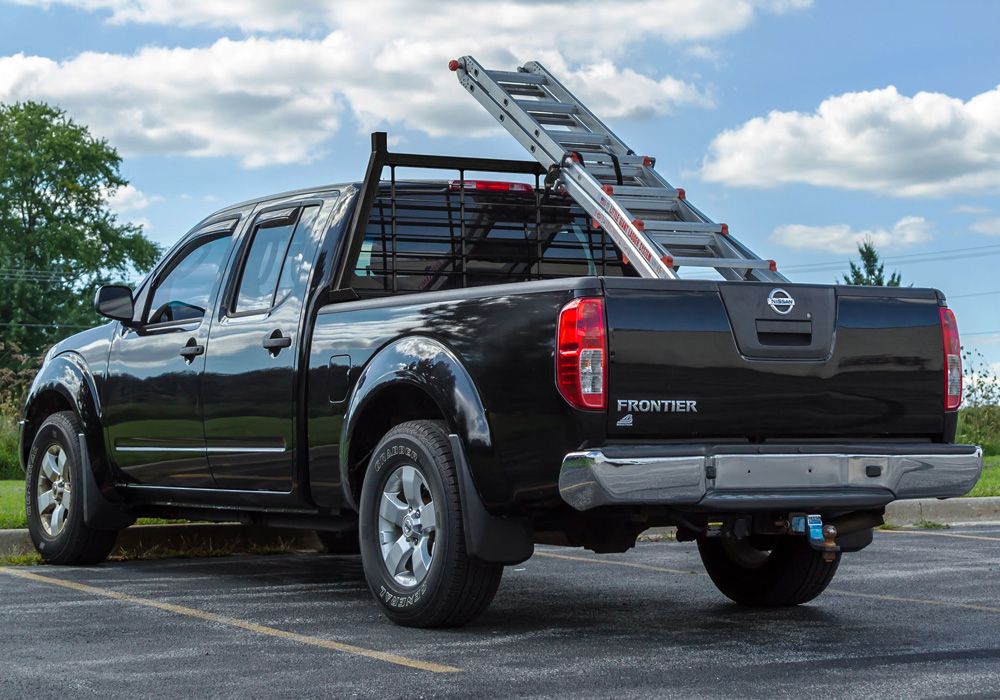
If you frequently use your truck to transport large tools, bulky equipment or cargo, or your wife makes frequent Facebook Marketplace furniture purchases, looking into a headache rack might be the smartest choice you'll ever make to protect your cab from cargo damage in the event of accidentally movement during transport.
Why is it called a Headache Rack? What's it's purpose?
To someone just looking into racks for the first time, the term Headache Rack seems odd. It's actually a very literal description related to the purpose of this type of truck rack, or truck headboard. It keeps cargo out of your cab, and keeps your head pain-free in the event of a sudden, jarring stop.... because let's be real, in an accident, the last thing you want to deal with is a large piece of cargo smashing through your cab window or denting/breaking the back of your cab.
Do All Headache Racks Fit All Trucks?
A lot of truck racks are specific to the make and/or model of your vehicle, however they are many racks on the market that are designed to be universal... or at the very least, have a larger width range to accommodate more vehicles.
At DiscountRamps, we only stock universal headache rack models to give our customers that biggest chance of finding a quality rack that will fit their pickup truck.


Key Factors to Consider When Comparing Headache Racks
When it comes to choosing a headache rack for your truck, the material and style matter a great deal for both function and longevity.
Aluminum headache racks
These offer the benefit of being lightweight while still providing plenty of strength, so they won't weigh down the back of your truck or hurt your fuel efficiency. They're also naturally resistant to rust, which makes them a smart pick for trucks that see a lot of road salt, moisture, or harsh weather.
Steel headache racks
On the other hand, steel racks are valued for their rugged durability and heavy-duty capacity. Although steel racks tend to weigh more, they provide exceptional toughness and are a common choice for drivers who frequently haul larger loads or use their truck for contracting or construction work. Many steel racks come with a powder coated finish to prevent corrosion and keep them looking sharp.
Louvered options, whether aluminum or steel, add a unique twist by providing extra protection to the rear window of your cab. The angled slats help block the sun, shield your glass from shifting cargo, and offer some privacy, all while maintaining necessary visibility for safe driving. While solid panel racks prioritize maximum protection and strength, louvered racks balance protection and airflow, so it's wise to consider which features matter most for your situation. With each option, you’ll want to weigh the balance between rack weight, corrosion resistance, and the specific kinds of work or recreation you do—since the right rack will make both daily driving and heavy-duty hauling safer and more convenient.
How to Attach a Headache Rack to a Truck
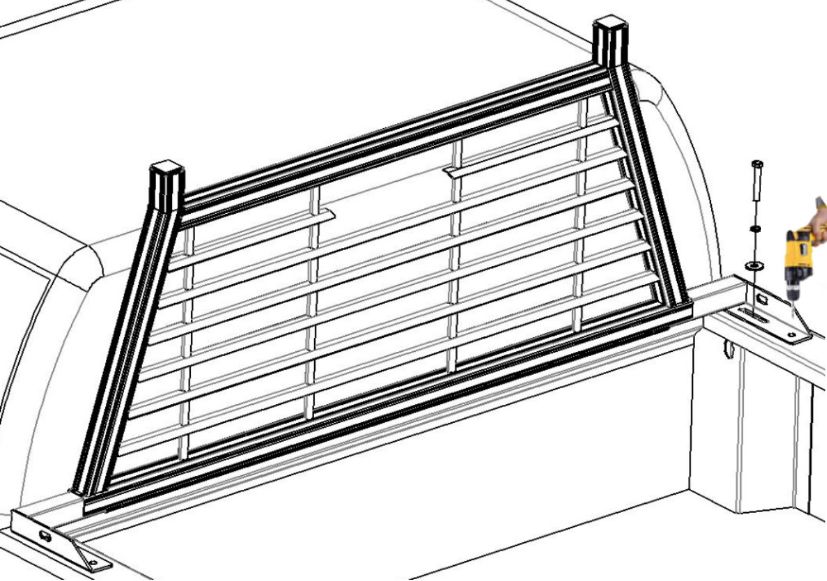
When attaching a headache rack to your truck, you'll usually choose between a no-drill installation or a traditional bolt-on method.
No-drill racks are popular because they use existing bed rail stake pockets, which means you don’t need to make permanent holes in your truck’s frame. This approach keeps your pickup in top condition and speeds up the install time.
With a traditional bolt-on rack, installation takes a bit more effort since you have to carefully measure and drill to fasten the rack directly into the bed rails or the frame, but it generally provides a more rock-solid mount for heavy-duty use.
It's also important to consider how your headache rack will interact with other accessories, like a tonneau cover, toolbox, or aftermarket lighting. Some headache racks are designed with cutouts or special mounting options to work side-by-side with tonneau covers, while others can be paired with toolboxes or wiring for additional brake or work lights. Always double-check compatibility before starting your installation to make sure you maximize both your truck’s utility and its appearance.
FAQ: Common Questions About Headache Racks
- Do I really need a headache rack for my truck? There are only two reasons why you might need one: Aesthetics or for cab protection due to the type of cargo you haul.
- How does a headache rack protect the cab and rear window? During a fast brake, any cargo close to the cab will make contact with the rack instead of the cab and rear window.
- Can a headache rack improve visibility or safety? It really won't improve visibility, however it will improve safety.
- How long do headache racks typically last? Like any vehicle accessory, they will last for years if used and maintained appropriately. Think in terms of years.
Compatibility & Fitment
- Will a headache rack fit my specific truck make/model/year? That depends on the product details of that particular headache rack.
- Are headache racks universal or vehicle-specific? That depends on the product details of that particular headache rack. Some are engineered to be vehicle-specific, however there are many that are designed to fit a wide range of vehicles.
- Do I need to drill into my truck bed to install one? Some headache racks require drilling during installation, however many racks install with clamps and don't require drilling holes in your truck.
- Can I install a headache rack with a tonneau cover or tool box? In general, you can't install a headache rack onto a pickup truck with a tonneau cover or tool box as both of those cover the area where the headache rack would need to be installed.
- How do I measure my truck to choose the right size headache rack? With a tape measure, measure: the inside width between the sides of your truck bed, the outside wide of your truck bed, and the width/thickness of the truck bed sides. All of these measurements will assist with determining headache rack compatibility.
Features & Accessories
- Do headache racks come with LED lights or light mounts? That depends of the model. There are many stand-alone light kits that are designed to be universal for headache racks.
- Can I attach ladders, lumber, or cargo to a headache rack? Yes, although definitely exercise caution with what you're securing to the rack. Try to stick to lighter loads, and treat it as part of your complete tie-down strategy, not as a stand-alone tie-down strategy.
- Are there headache racks with full mesh or window cutouts? Absolutely.
Installation & Maintenance
- How hard is it to install a headache rack? Depending on the model you choose, the weight of the product or drilling the mounting holes might be the hardest part of installation. It's recommended to install it with two people, and always measure twice/drill once.
- Do I need professional installation? If you're limited or do not have help, hiring someone else to install it could be a better option. Always vet out the company or individual you are hiring, and talk through the possible risks of an installation gone wrong (such as drilling holes in the wrong location, or accidental damage to the rack).
- Can I install it myself with basic tools? yes, most headache racks are simple to install with a drill.
- How do I maintain or clean a headache rack? Wipe it down, particularly in winter as the road salt could facilitate corrosion in the future. If you have a steel rack and are concerned about rust, consider applying an additional rust-proof coating.
Legal & Safety Questions
- Are headache racks legal in my state? As long as they're installed properly and are not blocking lights, headache racks are legal in every state in the United States.
- Does installing a headache rack affect rear visibility? Certain headache racks might hamper visibility out of the rear window. Others feature a rear window cut-out.
- Does it interfere with third brake lights or backup cameras? If your headache rack blocks the third brake lights, it should not be used. Headache racks should not interfere with backup cameras depending on their location.
- Will it impact airbag sensors or other OEM safety systems? No, headache racks should not impact those sensors if installed and used properly.
Cost & Value
- How much does a good headache rack cost? It depends on what you consider "good". An entry-level headache rack might be under $100, mid-range is around $250-$700, and anything over that is probably premium or custom.
- Is an aluminum headache rack worth the price compared to steel? This is a common question, and we always say yes. Aluminum is lighter weight, just as strong, and will not rust in the same way that steel will. It's a good choice for northern states that use salt on the roads.
- Does a headache rack increase resale value? That depends on a few factors: is it permanently mounted? Is it a quality headache rack? At the end of the day, it will be up to your buyer if they think it's worth you amount you list it for.
Shipping & Logistics
- How heavy is a headache rack? If it's steel, a headache rack will weigh anywhere from 50 lbs to 100 lbs. If it's aluminum, you're looking at 30 lb to 50 lbs.
- How is it shipped—freight or parcel? It depends on the model. Many larger headache racks (especially heavy‑duty or full‑coverage ones) must be shipped LTL (Less‑Than‑Truckload) freight because they’re too big for UPS/FedEx ground due to dimensions and weight. However, lighter aluminum models might ship via standard parcel delivery.
- Is assembly required upon delivery? Most headache racks arrive fully assembled, or with minimal assembly, however they will require installation. Refer to the specific product details to ensure you understand how much assembly will be required.