
How to Transport an E-bike
Posted on: May 3th, 2024
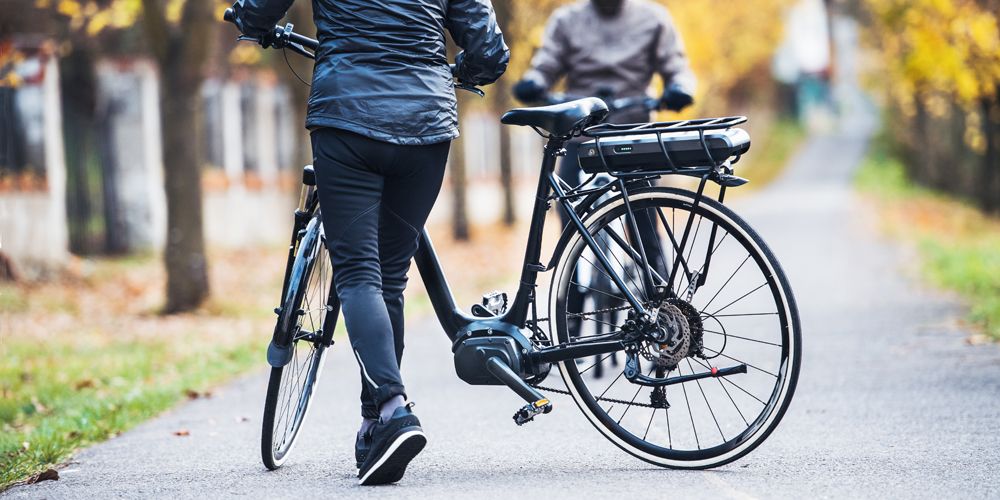
Investing in an electric bike (more commonly known as an E-bike) is a worthy endeavor. An E-bike is a stylish and efficient way to get around your city or town, while being not so difficult to power that you'll be aching in your calves halfway through your ride.
By incorporating a torque sensor that measures how hard you are pushing down on the pedals as you ride, an E-bike can gauge how much force that it needs to contribute from the small electric battery and motor to help push you along - this is where the "E" in E-bike comes from!
You can set the pedal assist power to whatever level you want, so you can use it for both a vigorous workout as well as for a leisurely commute. Finally, it's an incredibly green mode of transit - a 150-mile ride on a typical E-bike will use less energy than a five-minute hot shower.
Investing in an E-bike means that you'll also need to transport it at times. Read on for some more tips about how you can safely move yours from Point A to Point B.
Prepare the E-bike to Move
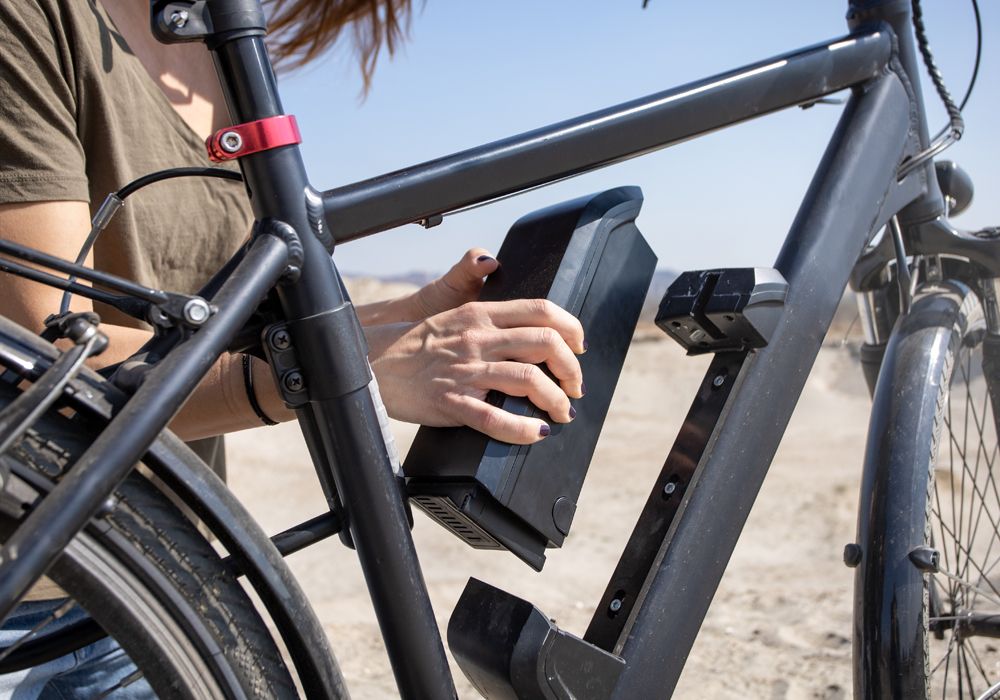
There are a few tips to keep in mind no matter which way you decide to move your E-bike. These preparation steps mean that you can get your E-bike ready to roll with minimal fuss and maximum protection. For starters, always make sure that you remove the battery, especially if you're transporting it on the exterior of the vehicle. A battery can be a hefty thing, so by taking it off you're making the E-bike lighter and easier to move. Plus, batteries are also valuable, so it helps to remove it to avoid the potential for theft.
Next, you can also remove the front wheel, especially if you're putting your E-bike inside your car. This makes the bike much shorter and more compact and allows you to pack it away with greater ease. It's also a good idea to place a blanket over your E-bike once you've got it loaded, whether you're going to add material on top of it or not. Doing so gives you an added degree of protection - you're protecting the cables and all control systems that might be situated on the handlebars from rubbing up against the car or against other cargo.
Finally, look at your bike's manufacturer specs and check to make sure that whatever rack apparatus is capable of holding an E-bike the size of yours.
Alternate Transport Option 1: Folding E-bikes
One category of E-bike that lends itself quite easily to transportation is folding models. These typically have a hinge as well as some basic locks and fasteners that allow them to be quickly folded and unfolded. They're a great fit for urban environments where commuters can use them but still easily board and ride public transit like buses and trains. They're also a good fit for people who might not have a lot of room at home - if you live in a studio apartment a big bike might take up too much space, but a foldable E-bike hung on the wall might be just what you needed.

Alternate Transport Option 2: Car Racks
Many people don't have the space in their cars to transport something as large as an E-bike, especially if they're going on a long trip and have plenty of luggage. In those instances, a rack might be a good choice, but they come in a few varieties.
First of all, you have roof racks and rear racks (which will typically strap directly onto the trunk or rear window). These can be an inexpensive and relatively simple way to transport your equipment, and more and more manufacturers are starting to design racks that are specifically made for E-bikes.
The other choice is a hitch-mounted E-bike rack that inserts directly into the hitch of your car or truck. Most models are wide enough for fat tire bikes as well, and keep your cabin or truck bed free for additional cargo.
No matter how you choose to transport your E-bike, remember to invest in a proper system to do so. It's a sizable investment, after all, and you want to keep riding for years to come.