
What's the Difference Between 1" and 2" Ratchet Straps?
Posted on: September 25th, 2024
When it comes to securing your cargo, the type of ratchet strap you choose can make all the difference between a safe haul and a roadside disaster. You've likely seen both 1" and 2" ratchet straps and wondered,"What's the real difference?" Let's take a closer look at the specifics, helping you understand when to use each type and why it matters.
Understanding the Basics: 1" vs. 2" Ratchet Straps
At first glance, the difference between a 1" and a 2" ratchet strap might seem minimal - just an inch, right? But in the world of securing cargo, that inch represents a significant difference in strength, durability, and application.
- 1" Ratchet Straps: These are the more lightweight option, designed for securing smaller, lighter loads. Their compact size makes them easy to handle and store, but don't let that fool you - they're incredibly reliable when used correctly.
- 2" Ratchet Straps: On the other hand, these are the heavy-duty workhorses of theratchet strap world. They're built for larger, heavier loads and can handle the stress of securing vehicles, equipment, and other substantial cargo. Understanding the strengths and limitations of each type is crucial for selecting the right tool for the job.
Webbing Strength: The Backbone of Your Strap
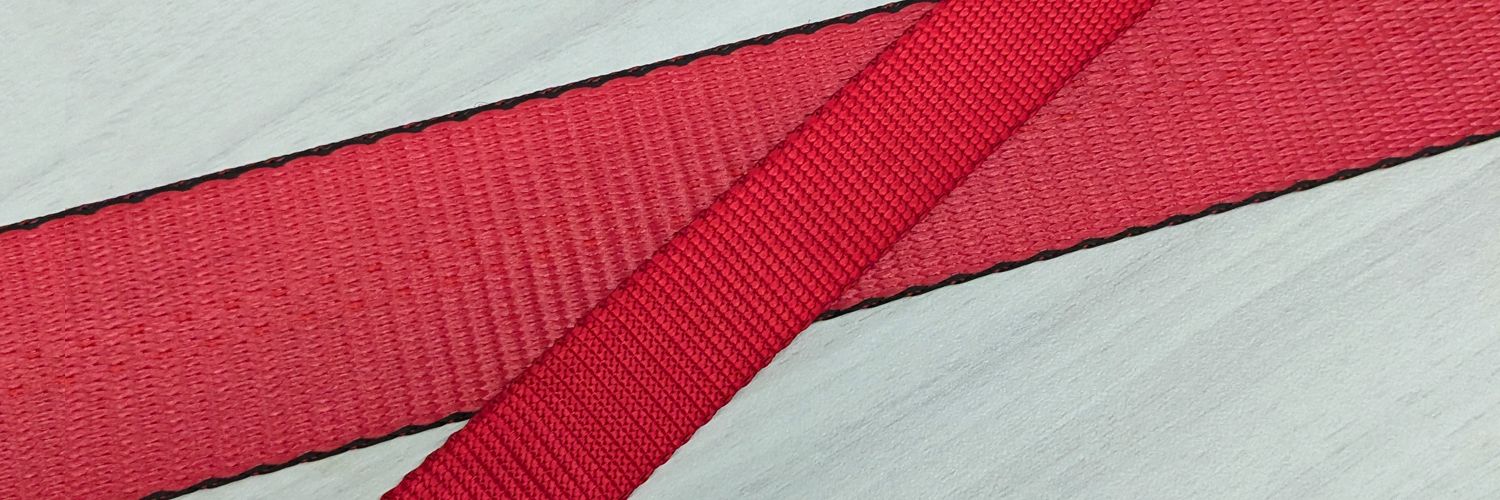
The webbing is the core component of any ratchet strap, and its strength is directly influenced by its width.
- 1" Webbing: Typically, 1" straps have a break strength ranging from 1,500 to 3,000 pounds, depending on the material and construction. They're perfect for light-duty applications, such as securing motorcycles, ATVs, kayaks, and other relatively lightweight items. Their narrower profile means they're less bulky, which is great when you need to secure something in a tight spot or when space is a premium.
- 2" Webbing: The 2" straps, on the other hand, are much stronger, with break strengths ranging from 5,000 to 10,000 pounds or more. So, they're ideal for heavy-duty applications like securing cars, trucks, machinery, and large equipment. The wider webbing distributes the load more evenly, reducing the risk of tearing or fraying underheavy stress. The difference in webbing strength all comes down to safety. Using a strap with insufficient strength for your load is a recipe for disaster. When in doubt, always choose the stronger option, especially when you'resecuring heavy or valuable cargo.
End Fittings: Making the Connection
The end fittings on your ratchet straps are just as important as the webbing itself. They're the points where your strap connects to your anchor points, and they need to be up to the task.
- 1" End Fittings: These typically come with S-hooks, J-hooks, or D-rings. These fittings are designed to be lightweight yet strong enough to handle the load capacities typical of 1" straps. They're perfect for securing items to roof racks, trailers, or in the bed of a truck. Because of their smaller size, they're often easier to maneuver in tight spaces, so they're ideal for lighter, more compact loads.
- 2" End Fittings: With 2" straps, you're looking at beefier options like flat hooks, wire hooks, and chain extensions. These fittings are designed for serious strength and durability. They're made to connect to larger, more robust anchor points, such as those found on trailers, flatbeds, or in industrial settings. The end fittings for 2" straps are designed to handle the higher tension that comes with securing heavier loads, ensuring asecure connection that won't fail under pressure.
Ideal Use Cases: Choosing the Right Strap for the Job
Now that we've covered the basics, let's get into when you should use a 1" ratchet strap versus a 2" ratchet strap.

1" Ratchet Straps: Best for Light Cargo
- Motorcycles and ATVs: These vehicles are valuable but lightweight. A 1" ratchet strap provides more than enough strength to secure them safely without the added bulk of a 2" strap.
- Kayaks and Canoes: These items are large but relatively light. A 1" strap can secure them tightly to a roof rack or trailer without overkill.
- Small Boxes or Bundles: When you're hauling lighter cargo, such as boxes or smaller items, 1" straps are ideal. They're easy to handle and provide sufficient strength to keep everything in place.
2" Ratchet Straps: Best for Heavy-Duty Loads
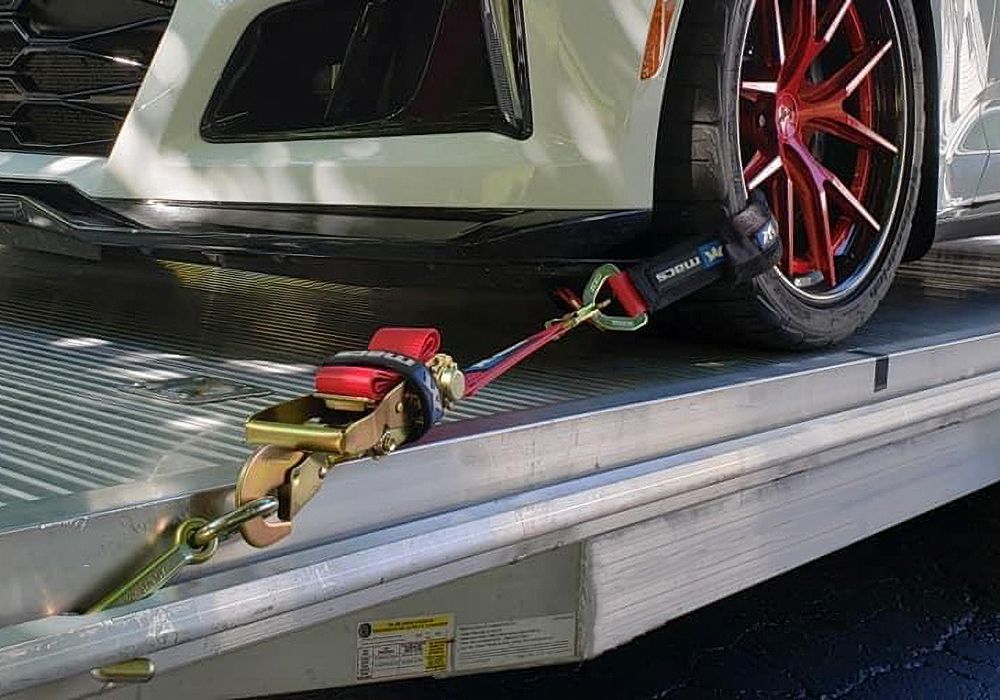
- Cars and Trucks: Whether you're towing a vehicle or securing it on a trailer, 2" ratchet straps are your go-to. The higher break strength ensures that your vehicle stays put, even over long distances.
- Machinery and Equipment: When it comes to heavy equipment, you need the security that only a 2" strap can provide. These straps can handle the intense weight and stress without compromising safety.
- Large or Irregular Loads:If you're hauling something large or oddly shaped - like furniture, pallets, or construction materials - a 2" strap will provide the necessary strength and stability.
How to Use Your Ratchet Straps Correctly
Whether you're using a 1" or 2" ratchet strap, following best practices is crucial to ensure the safety of your cargo.
- Inspect Before Use: Always inspect your straps for signs of wear, fraying, or damage before each use. A damaged strap is aliability.
- Proper Tension: Don't overtighten your straps. While it's important to secure your load, too much tension can damage both the strap and your cargo. Tighten until the strap is firm, with no slack, but don't crank it to the point of strain.
- Even Distribution: Make sure your load is evenly distributed across all straps. Uneven tension can cause one strap to bear more weight than it should, increasing the risk offailure.
- Secure Anchor Points: Ensure that your anchor points are secure and can handle the load. The best straps in the world won't help if they're attached to weak or unreliable anchor points.
- Store Properly: After use, store your straps in a cool, dry place. Avoid leaving them indirect sunlight or exposed to harsh elements, as this can weaken the webbing and reduce the lifespan of the strap.
Choose Wisely for Safe Hauling - Get Your Ratchet Straps from DiscountRamps
Want to make sure you're using the right ratchet strap for the task at hand? For lighter, more manageable loads, 1" straps offer convenience and reliability. But when it comes to heavy-duty hauling, 2" straps are the clear winner, providing the strength and durability needed to keep everything secure. At the end of the day, safety comes first. Whether you're strapping down a motorcycle or securing a truckload of equipment, making the right choice between a 1" and 2" ratchet strap can mean the difference between a smooth journey and a dangerous situation. At DiscountRamps, we offer a wide selection of high-quality ratchet straps for every need, and we're here to answer all your questions to make sure you get exactly what you need. Don't take chances - equip yourself with the best and haul with confidence.